KICT Port Crisis & FBR NTR Mandate: 3 Moves for Exporters
The KICT Gridlock & FBR’s New NTR Mandate: 3 Strategic Moves for Pakistani Exporters to Protect Margins in 2026
The second week of February 2026 delivered a double-blow to Pakistan’s export sector. Specifically, a massive data controversy now engulfs the Karachi International Container Terminal (KICT). Meanwhile, the Federal Board of Revenue (FBR) finalized a mandatory transition to the Minimum Tax Regime (NTR). This shift triggered immediate desk audits for over 480 of the country’s largest exporters.
Supply Chain Directors now face a vanishing margin for error. Consequently, the textile, FMCG, and manufacturing sectors must adapt quickly. Furthermore, the 10-day nationwide transporters’ strike has just concluded. This event created a logistical “whiplash” that pushed demurrage costs to unsustainable levels.
Therefore, firms must move beyond reactive firefighting to survive. This guide dissects the current crisis. It also outlines three strategic moves to protect your bottom line.
The KICT Crisis: Dissecting the 38,000-Container Discrepancy
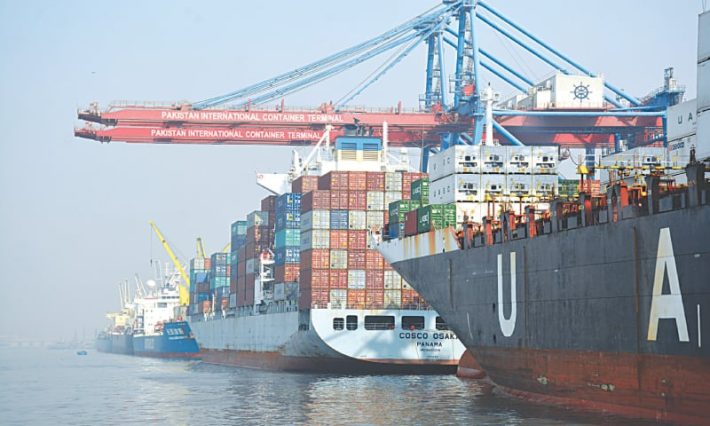
On February 9, 2026, the Collectorate of Customs Appraisement West issued a staggering warning. It alleged that KICT held a backlog of 38,000 undelivered containers. However, a dramatic reversal occurred within 48 hours. Official statements now claim the backlog has dropped to just 198 containers.
The Hidden Reality of Grounding Delays
Terminal data suggests a cleared path, yet ground reports tell a different story. For instance, the All Pakistan Customs Agents Association (APCAA) reports persistent delays. Shippers still experience grounding delays of 6 to 9 days for containers marked for examination.
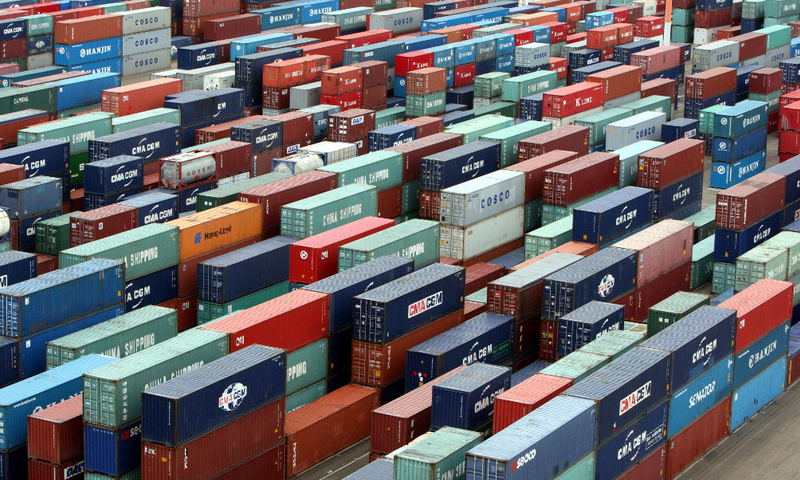
Consequently, this discrepancy creates a critical “visibility gap.” Terminal reports suggest normalcy, but your Goods Declaration (GD) may remain stuck in a queue. This delay triggers heavy demurrage and detention (D&D) charges. These costs accrue daily while cargo waits for manual handling.
The Regulatory Shift: Surviving the FBR’s NTR Mandate
The FBR is tightening digital oversight while ports remain physically congested. Specifically, the transition from the Final Tax Regime (FTR) to the Minimum Tax Regime (NTR) is now mandatory.
The Desk Audit Threat
The FBR recently initiated desk audits for 480 major exporters. They noticed significant reductions in taxable income following the regime shift. This is not merely a paperwork exercise. Instead, it represents a severe liquidity risk. Exporters find their refunds stuck in a transitional bottleneck.
Therefore, “Audit Readiness” is your only defense. Organizations must produce an airtight digital trail for every transaction. Specifically, you must link these records to your WeBOC filings. Non-compliance can lead to PKR 50,000 fines per transaction.
3 Strategic Moves to Protect Your Margins in 2026
1. Verify “Real” Grounding Status (Bypass Terminal PR)
Do not rely on aggregate port data to plan your logistics. For example, terminals do not always honor the “First-In-First-Out” (FIFO) principle.
-
Action: Transition your tracking to Milestone-Based Exception Management.
-
The Maalbardaar Advantage: Use the Logistics Command Center to receive real-time alerts. Get notified the moment a container is marked for examination. If grounding fails to occur within 24 hours, the system triggers an escalation. This allows you to fight for a demurrage waiver early.
2. Build an “Audit-Proof” Digital Document Archive
The FBR is moving toward AI-driven faceless assessments. Consequently, manual document retrieval is no longer viable. If your documents remain scattered across emails and folders, you may fail an audit.
-
Action: Centralize every Goods Declaration (GD) and Bill of Lading (BOL) into a searchable vault.
-
The Maalbardaar Advantage: Our Digital Document Vault satisfies the FBR’s 6-year archiving requirement. Specifically, every document links directly to its shipment ID. Therefore, your team can generate a complete compliance report in minutes when an audit notice arrives.
3. Recalculate Total Landed Cost (TLC) with “Strike Buffers”
The end of the transporters’ strike created a massive demand spike for trucking. Therefore, old cost models are likely obsolete. KCCI recently warned against “arbitrary” freight hikes as the industry clears the backlog.
-
Action: Update your Total Landed Cost formula. Include current congestion surcharges and increased transport rates.
The 2026 formula for a resilient supply chain is:
Landed Cost = Goods + Freight + Duties + Delay Risk + Compliance
-
The Maalbardaar Advantage: Use our Instant Quoting tools to compare market rates. Furthermore, analyzing transit time variability helps you avoid congested terminals. This strategy can save 40-60% in port penalties.
Conclusion: From Firefighting to Data-Driven Precision
The logistics environment in 2026 no longer allows for manual processes. Specifically, the KICT gridlock and the FBR’s NTR mandate create a systemic crisis for exporters.
However, you can control your data. By shifting to a centralized Logistics Command Center, you gain essential visibility. You also secure the documentation required to satisfy federal auditors.
Ultimately, the future of Pakistani logistics belongs to digital leaders. These firms view transformation as a survival mechanism. As the country moves toward algorithmic precision, companies using real-time intelligence will thrive. Operational transparency is no longer just a metric. Instead, it is your primary competitive differentiator.
Don’t let port delays and tax audits erode your 2026 margins. Join Maalbardaar today and take command of your supply chain.
Frequently Asked Questions (FAQs)
Q: Is the KICT backlog really cleared?
A: Official reports claim the backlog is down to 198 containers. However, industry reports indicate that physical grounding still takes 6 to 9 days. Therefore, real-time tracking is the only way to verify your shipment status.
Q: What does the FBR’s NTR mandate mean for my textile exports?
A: It means the FBR now taxes you under the Normal/Minimum Tax Regime. Consequently, you must maintain detailed records of expenses. The FBR is actively conducting desk audits of major exporters this year.
Q: Can I get a waiver for demurrage from the strike?
A: KCCI formally requested the Ministry of Maritime Affairs to waive these charges. However, you must provide a clear digital audit trail to prove the delay was strike-related.
Q: How does the “Digital Document Vault” help with e-audits?
A: It creates a permanent, tamper-proof repository for all tax documents. Therefore, you can respond to FBR audit notices instantly. It also ensures you meet the 6-year record-keeping requirement.