Pakistan Freight & Logistics Weekly Update: 9th March, 2026
Hi, it’s Faiz from Maalbardaar.
This week’s supply chain brief brings you critical, verified developments. The escalating geopolitical crisis in the Middle East has now directly impacted Pakistan’s domestic economy. From an unprecedented overnight fuel price hike to emergency maritime operations at Karachi Port, these events require immediate recalculations of your Q2 logistics budgets and supply chain timelines.
Here is what you need to know right now to protect your margins.
The Current Situation: A Global Maritime Crisis Hits Home
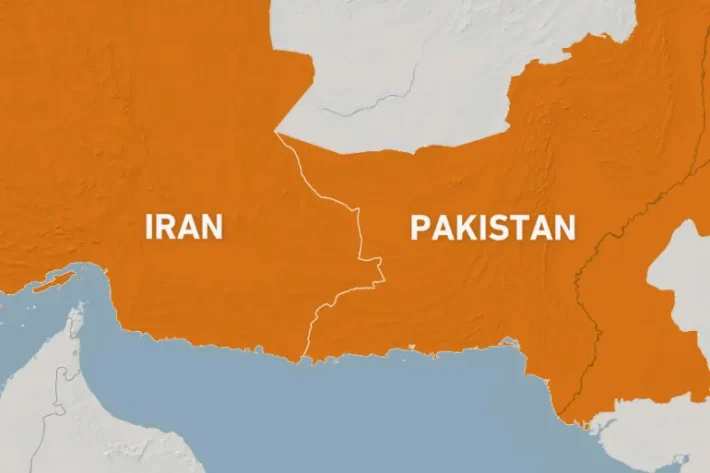
The ongoing conflict between the US, Israel, and Iran has severely disrupted the Strait of Hormuz—a chokepoint handling over 80% of Pakistan’s oil imports. War-risk insurance premiums have surged to $400,000 per vessel, and ocean freight costs have quadrupled. In response, the Pakistani government has taken emergency measures to secure fuel supplies and manage stranded global cargo.
Why this matters for logistics right now:
Immediate Cost Shocks: Inland trucking and transport costs will surge instantly due to the massive fuel price hike.
Port Dynamics Shifting: Karachi Port is pivoting from a local hub to a regional transshipment center for stranded Gulf cargo.
Tighter Financial Constraints: Exporters and importers must prepare for a severely restricted domestic economic environment as the government plans strict austerity measures.
Key Updates for Week 10: Policy Shifts & Infrastructure Impacts
1. The “Petrol Shock”: Fuel Prices Surge by Rs. 55 per Litre
In a drastic move to cope with soaring international freight and insurance costs, the government has increased both petrol and High-Speed Diesel (HSD) prices by a staggering Rs. 55 per litre. Petrol now sits at Rs. 321.17, while HSD has reached Rs. 335.86 per litre. Furthermore, the Economic Coordination Committee (ECC) is considering moving from fortnightly to weekly petroleum price revisions.
Implication: Inland logistics pricing is now hyper-volatile. Transporters will immediately adjust fuel surcharges, invalidating long-term fixed trucking rates. Shippers must build a minimum 20% buffer into their short-term freight budgets.
2. Karachi Port Officially Begins UAE Cargo Transshipment
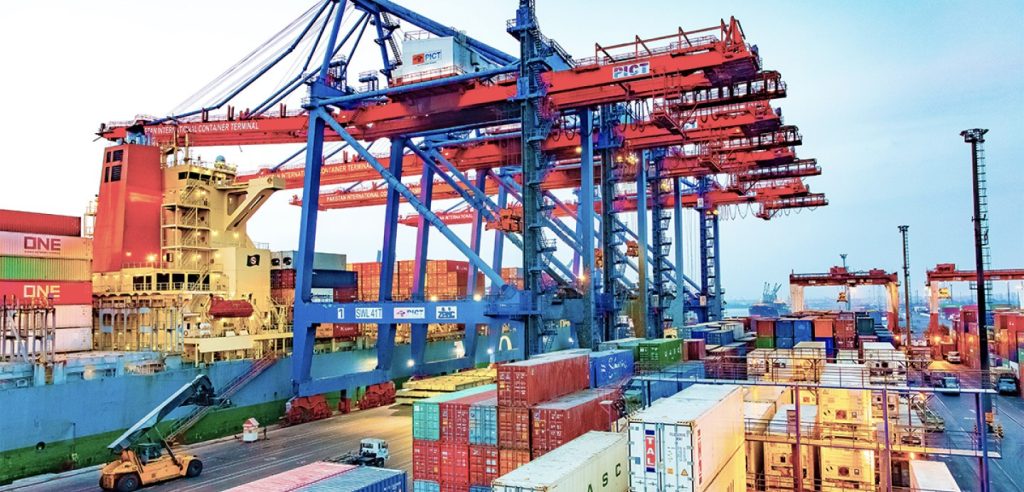
With the Strait of Hormuz effectively closed to major commercial shipping, large container vessels are avoiding the Gulf. Karachi Port has officially commenced transshipment operations for goods destined for the United Arab Emirates. Vessels like MV TS Tacoma and MV TS Sydney are now offloading UAE-bound containers at KPT, which will later be moved via smaller feeder vessels.
Implication: While this boosts KPT’s revenue, local importers should brace for massive terminal congestion. The Pakistan Ships Agents Association (PSAA) is pushing to move this transshipment cargo to off-dock terminals at Hawkesbay and Port Qasim to prevent a total gridlock of domestic imports.
3. Pakistan Deploys PNSC Vessels to Saudi & UAE Ports
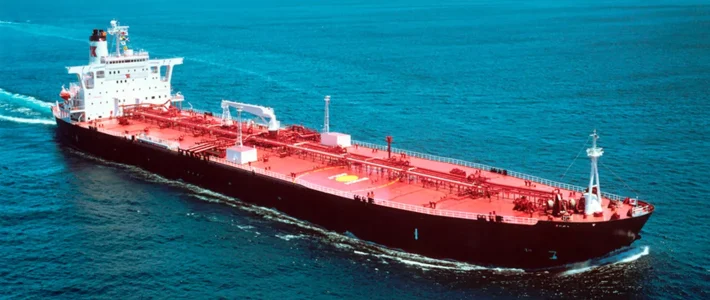
To secure the nation’s energy supply, the government has taken the extraordinary step of dispatching Pakistan National Shipping Corporation (PNSC) vessels directly to Yanbu (Saudi Arabia) and Fujairah (UAE). Saudi Aramco has assured Pakistan that Very Large Crude Carriers (VLCCs) will be stationed near Pakistani waters to ensure an uninterrupted supply to local refineries.
Implication: While this prevents an immediate national fuel run-out, the extended routing via the Red Sea bypasses standard supply chains, cementing the reality that elevated energy and freight costs will persist well into the summer.
4. Western Border Trade Remains Stable Despite Crisis
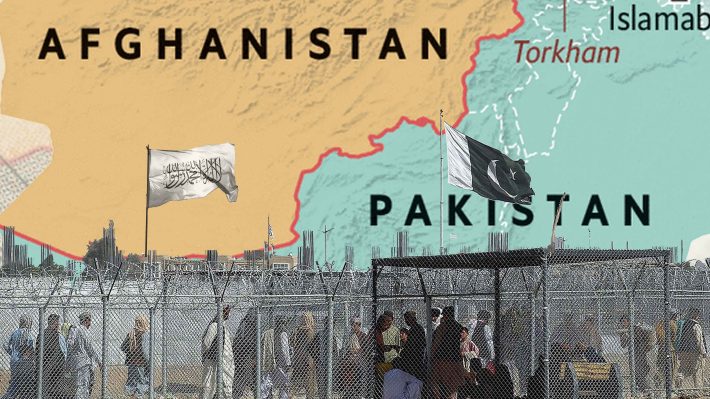
In a rare piece of positive news, while the Middle East burns, Pakistan’s northern and western land routes are functioning. Trade operations at the Sost Dry Port on the Pakistan-China border are continuing round-the-clock.
Implication: For supply chain planners, shifting focus to the China overland route via the Karakoram Highway (KKH) may offer a more stable, albeit limited, alternative to volatile ocean freight for certain goods.
5. Strict Austerity & “Work-From-Home” Mandates Looming
The Prime Minister’s office is set to announce a severe national austerity plan on Monday. To conserve the 26-day national fuel reserve, the government is strongly considering mandatory work-from-home policies for public and private sectors, along with other fuel conservation measures.
Implication: Expect disruptions in administrative processes, including manual customs document handling and banking procedures. Digitalizing your supply chain documentation is now mandatory to avoid delays.
What This Means For Importers And Exporters
Hyper-Volatile Landed Costs: With an overnight 20% jump in fuel costs and the potential for weekly price adjustments, short-term fixed freight contracts are essentially void. Pricing is now highly fluid.
Demurrage Danger: The influx of UAE-bound transshipment cargo at KPT means terminal space is scarce. Delays in clearing your local goods will result in heavy Demurrage and Detention (D&D) penalties. Expedite your Customs paperwork immediately.
Cash Flow Squeeze: The surge in fuel prices will trigger a secondary wave of inflation. Exporters need to aggressively manage their cash flow and renegotiate terms where possible to absorb the sudden spike in inland transit costs.
How Maalbardaar Helps You Navigate the Crisis
In a supply chain environment moving this fast, relying on manual updates and static spreadsheets will cost you money. Uncertainty is at an all-time high, but control over your data protects your margins.
Maalbardaar provides:
Live Freight Visibility: Keep your budgeting accurate and react instantly to hikes.
Real-Time Vessel and Container Tracking: Know exactly where your cargo is stuck amidst the transshipment congestion at KPT.
Automated Customs Workflows: Expedite your clearance digitally to avoid terminal bottlenecks and demurrage traps while government offices face potential work-from-home mandates.
Don’t let geopolitical volatility break your supply chain. Log in today and manage your March shipments with absolute clarity.
Get Started with Maalbardaar Today
Stay informed, stay proactive, and stay ahead.