The Pak-Iran Supply Chain Crisis: How to Protect Your Margins Amid Regional Volatility
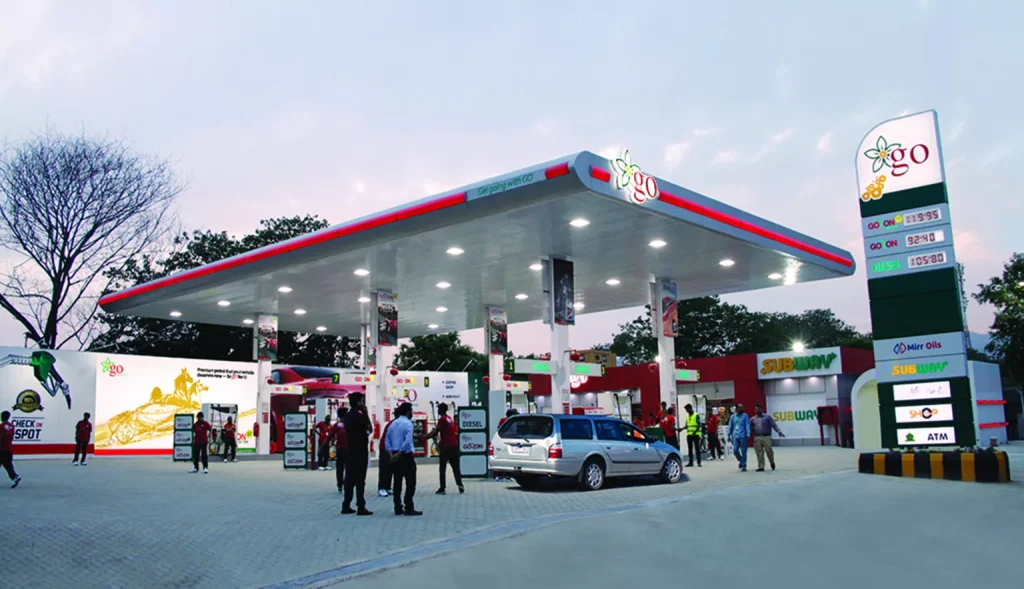
On March 6, 2026, Pakistan’s logistics and trade sectors were hit with an unprecedented operational hurdle: a historic Rs. 55 per litre increase in fuel prices. With petrol now sitting at Rs. 321.17/L and High-Speed Diesel (HSD) at Rs. 335.86/L, the era of stable, predictable inland freight costs has abruptly ended.
For supply chain managers, this is much more than a pump-price issue. Triggered by escalating conflicts in the Middle East, the effective closure of the Strait of Hormuz has paralyzed global energy shipping.
Here is a deep dive into how this regional crisis is actively reshaping Pakistan’s trade balance, import logistics, and freight pricing and what forward-thinking businesses must do to adapt.
1. The Strait of Hormuz Bottleneck & Skyrocketing Marine Insurance
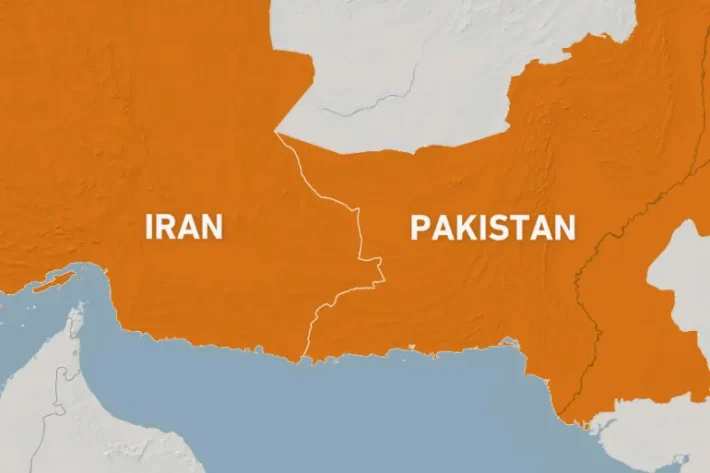
Pakistan relies on the Strait of Hormuz for roughly 80% of its crude oil imports and 25% of its gas and oil supplies. With the region now an active conflict zone, the traditional maritime routes have collapsed.
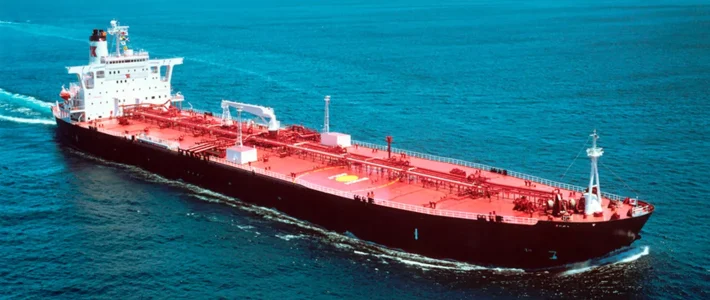
The Insurance Crisis: Marine insurers have essentially withdrawn standard coverage for vessels entering the Persian Gulf. War-risk insurance premiums have surged dramatically, and freight rates for tankers operating in the region have increased by almost four times.
Regulatory Panic: The crisis is so severe that the Oil Companies Advisory Council (OCAC) has officially urged the State Bank of Pakistan (SBP) to temporarily allow imports on a CIF (Cost, Insurance, and Freight) basis instead of the mandated C&F basis. Why? Because local buyers simply cannot secure marine and war-risk insurance under current market conditions.
Red Sea Rerouting: To secure supply, Pakistan National Shipping Corporation (PNSC) vessels are being diverted to alternative hubs like Yanbu (Saudi Arabia) and Fujairah (UAE). While this prevents fuel shortages, the longer transit times cement the reality of elevated freight costs for the foreseeable future.
2. Macro-Economic Impact: Trade Deficit & Rupee Pressure
The domino effect of global supply chain disruptions is threatening Pakistan’s fragile economic recovery under the current IMF program.
The Import Bill: The Finance Ministry has warned that Pakistan’s monthly oil import bill could surge to $600 million if the conflict persists.
Export Slump: Industrial leaders, including the FPCCI, have warned that the conflict may trigger massive export pressure in Pakistan, forecasting a 10% to 20% drop in March exports. Regional exports to the Middle East face temporary suspensions due to vessel unavailability and operational halts at terminals.
The Remittance Threat: Over 50% of Pakistan’s remittances come from the Gulf. Financial analysts warn that a prolonged conflict could drop these inflows significantly.
Combined, rising import costs and falling exports will heavily pressure the Rupee, meaning landed costs for all imported raw materials will inflate rapidly in Q2.
3. The Logistics Ripple Effect: Why Fixed Contracts Are Dead
If your logistics budget for Q2 was built on February’s fuel rates, it is already obsolete. Pakistan’s oil supply chain breaks down when price shocks fail to travel through it smoothly. To prevent this, the government has announced a massive policy shift: moving from fortnightly to weekly petroleum price reviews.
What this means for freight forwarding:
Hyper-Volatile Trucking Rates: Transporters cannot absorb a Rs. 55 jump in diesel. Expect an immediate 15% to 25% increase in domestic trucking and rail cargo fares.
Dynamic Surcharges: 30-day and 60-day fixed inland freight contracts are no longer viable. Logistics providers will now apply weekly fuel surcharges (FSC) linked directly to the government’s Friday price announcements.
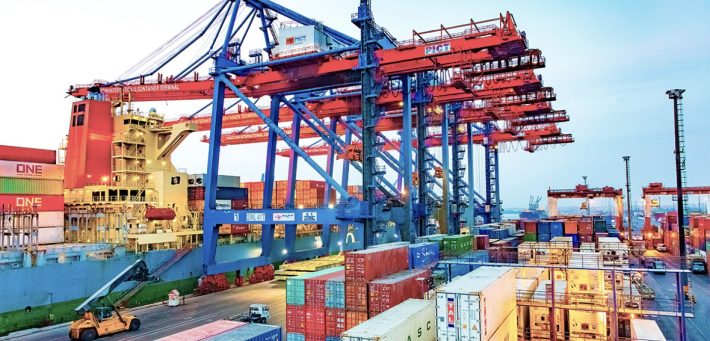
Terminal Congestion: With major shipping lines discharging Gulf-bound cargo at alternative “safe” hubs, major ports are seeing an influx of transshipment containers. Importers must clear goods instantly or face severe Demurrage and Detention (D&D) penalties as terminal space runs out.
4. How Businesses Must Adapt Immediately
With the government exploring strict austerity measures, including mandating a four-day work week and shutting schools to conserve fuel, private businesses must take immediate operational action:
Buffer Your Budgets: Build a mandatory 15-20% buffer into all landed cost projections.
Optimize LCL and Routing: With diesel at Rs. 335.86/L, moving Less than Container Load (LCL) shipments without smart consolidation is a massive drain on capital. Maximize payload utilization for every truck dispatched.
Digitize Customs Workflows: With austerity-driven “work-from-home” mandates now actively disrupting the public sector, relying on manual customs clearance is a massive risk. Ensure your clearing agents are fully integrated with the Pakistan Single Window (PSW) to secure immediate releases.
Protect Your Margins with Maalbardaar
In a “war-footing” economy where fuel prices change weekly and regional borders close overnight, relying on static spreadsheets and manual phone calls will cost you money. Visibility is your best defense.
At Maalbardaar, we empower Pakistani importers and exporters with the digital tools needed to survive the crisis:
Live Freight Benchmarking: Instantly compare rates and track schedules.
Real-Time Tracking: Know exactly where your cargo is amid port congestion.
Automated Clearances: Expedite your customs processes to avoid demurrage traps.
Don’t let geopolitical volatility break your supply chain.
Log in to Maalbardaar today and take control of your Q2 logistics.