Strait of Hormuz Crisis: Shipping Delays from Jebel Ali to Karachi Port & How to Avoid KPT Demurrage
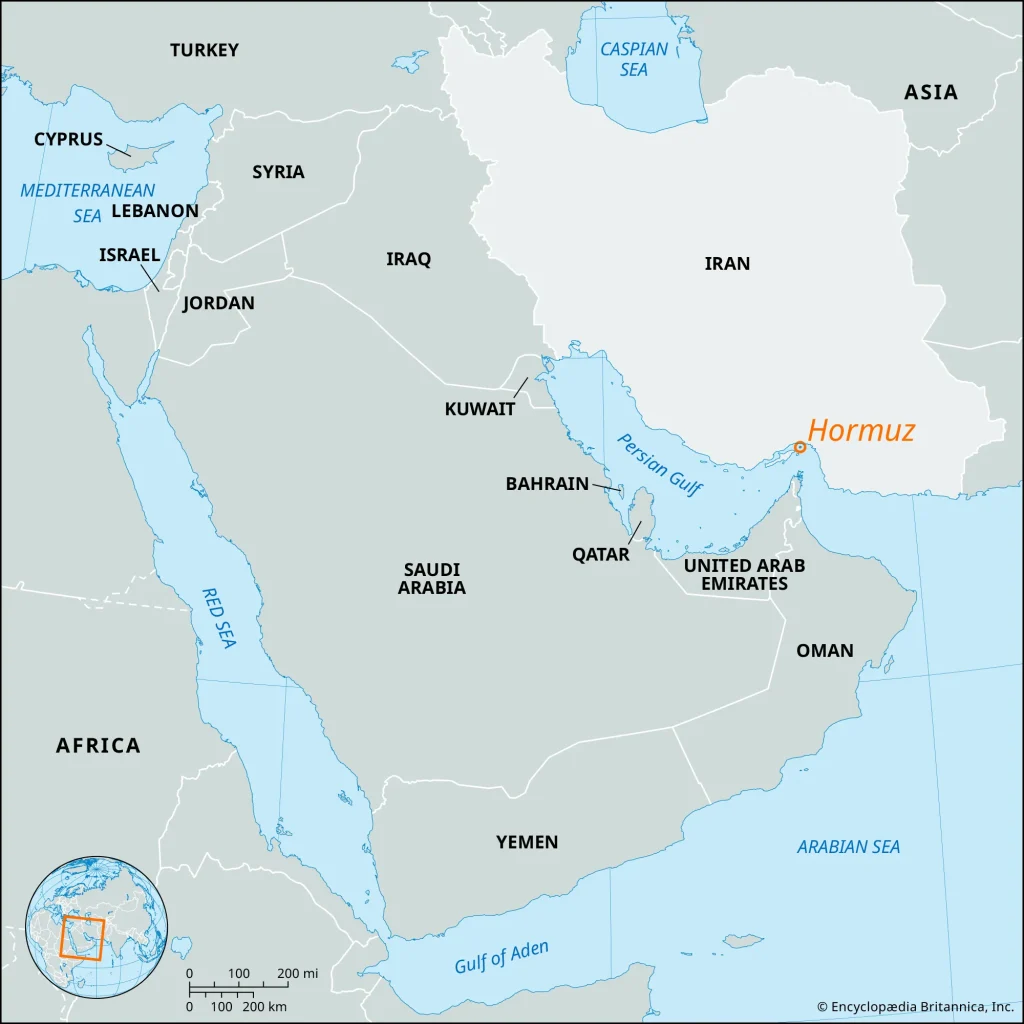
The Strait of Hormuz is no longer just a vital transit point on the map—it is currently the single biggest risk to your supply chain in Q2 2026.
For years, Pakistani trade has relied on this Middle Eastern corridor to move cargo smoothly. Today, due to escalating geopolitical tensions, major shipping lines are being forced to bypass traditional routes. War-risk insurance premiums have peaked, and the ripple effects are severely straining massive transshipment hubs like Jebel Ali.
If you are importing raw materials into Karachi Port (KPT) or Port Qasim (PQA), or exporting textiles to the Gulf, the rules of the game have changed overnight. Here is a breakdown of the current maritime crisis and the exact strategies Pakistani supply chain managers must deploy to protect their margins from soaring freight rates.
The Core Problem: How Middle East Chokepoints Hit Pakistan’s Economy
The Strait of Hormuz facilitates nearly a fifth of the world’s oil consumption and a massive volume of containerized freight bound for South Asia. With the region operating under high security alerts, the maritime logistics network connecting the UAE to Pakistan is fracturing in two distinct ways:
1. Surging Ocean Freight Rates and War-Risk Surcharges
Marine insurers have drastically reduced standard coverage for vessels entering the Persian Gulf. Ships that do make the transit are paying exorbitant war-risk premiums. For Pakistani importers already dealing with Rupee-Dollar parity issues, these premiums are immediately passed down as emergency freight surcharges, drastically inflating the landed cost of goods in PKR.
2. Severe Transshipment Delays from Jebel Ali to Karachi
Jebel Ali (UAE) is the primary transshipment hub for cargo entering and leaving Pakistan. Under normal circumstances, mega-vessels drop cargo at Jebel Ali, which is then moved to Karachi Port or Port Qasim via smaller feeder vessels.
However, because major ocean carriers are rerouting their fleets to avoid the Strait altogether, vessel schedules are in disarray. Jebel Ali is now dealing with sudden surges of offloaded transshipment containers, creating a massive backlog. Your cargo bound for Karachi is highly likely to get stuck in a transshipment loop at Jebel Ali, extending transit times by weeks.
How Pakistani Businesses Must Navigate the Disruption
The idea of “just-in-time” shipping is dead for the current quarter. To survive this logistics bottleneck and avoid crippling port penalties, local businesses must pivot from reactive tracking to proactive supply chain management.
Strategy 1: Factor Weekly Freight Volatility into Landed Costs
If you are planning your import/export budgets based on last month’s freight rates, you are exposing your business to severe margin erosion. You must build a 15% to 20% cost buffer into your financial projections immediately. Ocean freight spot rates out of Karachi are highly volatile, and domestic trucking costs to Lahore and Islamabad are fluctuating weekly due to recent domestic fuel hikes.
Strategy 2: Utilize Dedicated KPT & Port Qasim Feeder Services
Waiting for major international shipping lines to normalize their Gulf schedules will leave your cargo stranded. Importers and exporters should instruct their freight forwarders to utilize dedicated, localized feeder vessels. For example, KPT recently initiated specific feeder links directly connecting Karachi with alternative UAE ports like Fujairah, bypassing the heaviest congestion zones in the Strait.
Strategy 3: Pre-File Your GD via Pakistan Single Window (PSW)
When terminals like Jebel Ali and KPT get congested, terminal space becomes premium real estate. If your container is buried in a backlog and you are relying on manual updates from a clearing agent, you will be hit with massive Demurrage and Detention (D&D) penalties in foreign currency once it finally berths.
You need real-time, digital visibility. Knowing exactly where your container is delayed allows you to prepare your import documentation and pre-file your Goods Declaration (GD) via the Pakistan Single Window (PSW) in advance. This ensures immediate customs clearance the moment the vessel arrives at Port Qasim or KPT, saving you hundreds of thousands of Rupees in port rent.
Take Control of Your Supply Chain with Maalbardaar
In a hyper-volatile market where shipping routes change overnight, relying on static spreadsheets, WhatsApp messages, and delayed phone calls from brokers is a financial liability.
At Maalbardaar, we give Pakistani businesses the digital infrastructure needed to navigate global trade disruptions. Our tech-enabled logistics platform provides:
Real-Time Container Tracking: Monitor your cargo’s exact location, whether it is stuck in Jebel Ali transshipment or arriving at Karachi Port.
Instant Freight Rate Benchmarking: Navigate volatile pricing with live rate comparisons for ocean freight and inland trucking across Pakistan.
Automated Customs Clearance: Expedite your PSW workflows to avoid terminal congestion and costly demurrage traps at KPT and PQA.
Do not let maritime volatility break your supply chain.
Log in to Maalbardaar today and secure your logistics strategy for Q2.