
Pakistan Freight & Logistics Weekly Update: 30th March, 2026
Hi, it’s Faiz from Maalbardaar.
The post-Eid operational hangover we navigated last week is evolving into a completely new structural challenge for Pakistan’s supply chain.
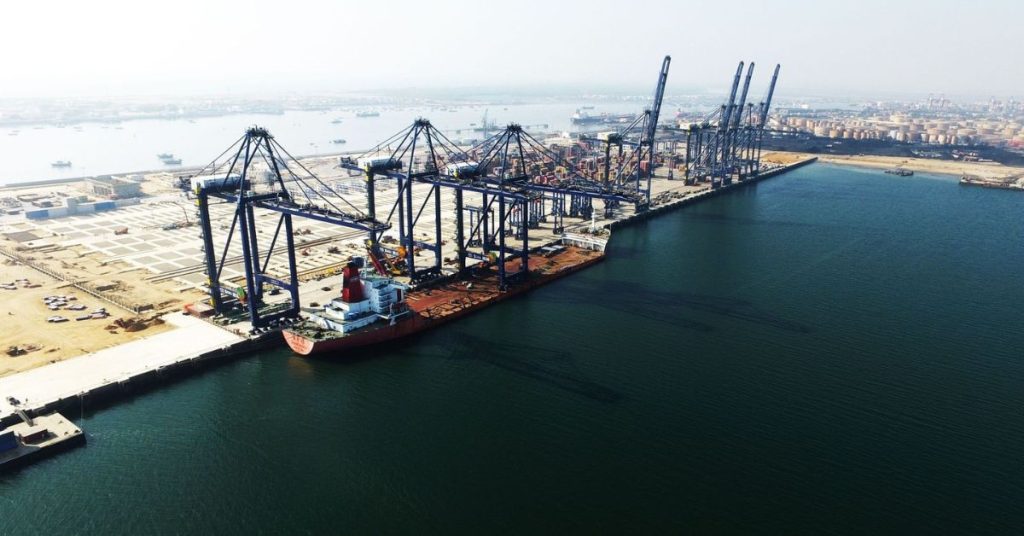
While domestic trucking capacity is finally stabilizing as drivers return from upcountry, a massive external factor is now squeezing our port infrastructure. Due to escalating maritime disruptions in the Middle East and the Gulf, Karachi is unexpectedly absorbing thousands of containers originally destined for major regional hubs.
As we enter Week 13, domestic importers and exporters are no longer just competing with each other for yard space, they are competing with a historic flood of diverted international cargo.
Here is what you need to know to navigate this new transshipment congestion, secure your inland freight, and clear customs without costly delays.
The Current Situation: A 1,400% Surge in Port Activity
The ongoing closure of key maritime routes, particularly through the Strait of Hormuz, has forced global shipping lines to bypass traditional hubs like Dubai and Salalah. Instead, vessels are discharging their transshipment cargo directly at Karachi Port (KPT) and Port Qasim (PQA).
The numbers are staggering. According to recent industry reports, Karachi Port has seen a 1,400% increase in cargo activity, handling more transshipment volume in the last 24 days (8,313 containers) than it did in the entirety of 2025.
With terminals like South Asia Pakistan Terminal (SAPT) and Karachi Gateway Terminal Limited (KGTL) operating at maximum capacity, this creates a high-risk environment for domestic importers whose port free days are ticking.
Key Updates: Clearance Chaos & Macroeconomic Movements!
1. The $1.2 Billion IMF Staff-Level Agreement (SLA)
On March 28, 2026, Pakistan and the International Monetary Fund (IMF) officially reached a Staff-Level Agreement (SLA) for the disbursement of a critical $1.2 billion tranche.
Implication:
$1.0 Billion (EFF): This falls under the Extended Fund Facility, which is the core bailout money designed to stabilize our balance of payments and support structural economic reforms.
$210 Million (RSF): This falls under the Resilience and Sustainability Facility, a specialized fund aimed at building climate resilience and transitioning to sustainable energy.
The Big Picture: This new agreement brings total disbursements under the ongoing IMF program to $4.5 billion. It proves to global markets that Pakistan is successfully meeting its strict reform targets without derailing.
2. FBR Issues Emergency Transshipment Rules (SRO 518 & 525)
To prevent total gridlock, the Federal Board of Revenue (FBR) has rushed to issue two major emergency notifications (SRO 518 and SRO 525).
Implication: The FBR has authorized a massive 16.9-acre temporary storage facility at Port Qasim (managed by DP World) just to handle the overflow. However, the new rules also mandate strict 100% scanning for diverted cargo and harsh penalties for misdeclarations. Domestic importers must ensure their HS Codes and Goods Declarations (GDs) are flawless, as customs scrutiny at the gates is currently at an all-time high.
3. Inland Freight Rates Stabilize at a New High
The severe post-Eid trucking shortage has eased, and heavy commercial vehicles (HCVs) are once again available at the ports. Furthermore, the government just announced that fuel prices will remain unchanged for the upcoming week, holding at Rs. 321.17/L for Petrol and Rs. 335.86/L for Diesel.
Implication: While the panic of the shortage is over, the baseline cost of transport has permanently shifted due to the recent historic fuel hikes. Transporters are strictly maintaining these new pricing structures. Importers must benchmark spot rates carefully to avoid overpaying on outdated “holiday premium” quotes.
4. Forex Reserves Surge to a 4-Year High
Bolstering the IMF announcement, Pakistan’s total foreign exchange reserves have officially surged to a four-year high of $21.6 billion.
Implication:
State Bank of Pakistan (SBP) Holdings: $16.3 billion. This is the government’s usable reserve buffer for debt repayment and essential imports.
Commercial Bank Holdings: $5.3 billion. This is the pool utilized by the private sector for everyday trade.
The Big Picture: Hitting this milestone means the SBP has successfully rebuilt its dollar buffer. We have officially moved out of the “danger zone” of having less than a month’s worth of import cover.
Secure Your Logistics with Maalbardaar
This week, relying on phone calls to find available trucks will cost you time you do not have. The port rent on a delayed container will quickly wipe out your profit margins.
Maalbardaar provides the visibility and speed to clear the backlog with our PSW-integrated digital clearance services.
Don’t let the transshipment bottleneck trap your cargo. Log in today and secure your containers for the week ahead.
Stay informed, stay proactive, and welcome back to business.
Register on Maalbardaar!
Take full control of your supply chain from freight, customs clearance, transportation, and more with Maalbardaar.
Join Our WhatsApp Channel for Daily Updates!
Don’t let delays or rising costs define your year: stay informed, stay proactive, and stay ahead with Maalbardaar!
