Customs Clearance in Pakistan: Complete Guide for Importers and Exporters for 2026
Customs Clearance in Pakistan: Guide for 2026
Customs clearance in Pakistan is one of the most important steps in the import and export process. Delays, documentation errors, or lack of visibility at customs can increase costs, disrupt supply chains, and cause missed delivery deadlines.
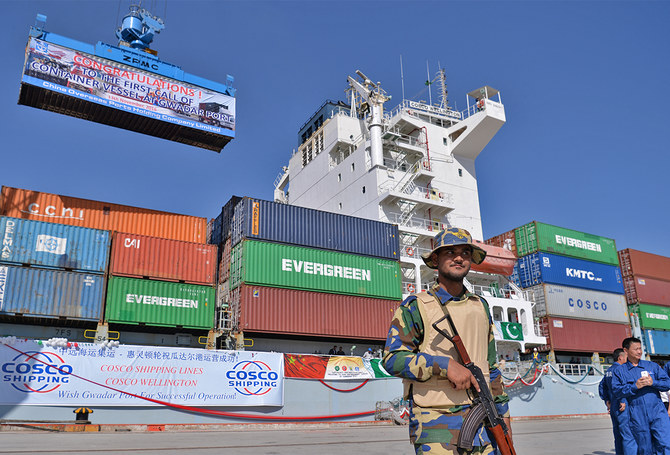
If you are importing or exporting through Karachi Port, Port Qasim, Gwadar, or Pakistani airports, understanding how customs clearance works and how to manage it efficiently is critical.
This guide explains the customs clearance process in Pakistan, common challenges businesses face, required documents, and how Maalbardaar helps importers and exporters clear shipments faster with full visibility.
What Is Customs Clearance in Pakistan?
Customs clearance is the legal process of getting goods approved by Pakistan Customs so they can enter or leave the country.
Every shipment must be declared through WeBOC (Web-Based One Customs) and cleared before cargo can be released from ports, terminals, or airports.
Customs clearance applies to:
-
Sea freight (FCL and LCL)
-
Air freight
-
Road and rail cargo
-
Commercial imports and exports
Customs Clearance Process in Pakistan (Step-by-Step)
Understanding the process helps reduce delays and surprises.
1. Filing the Goods Declaration (GD)
The GD is filed in WeBOC, declaring shipment value, HS codes, quantity, and origin.
2. Document Submission
Required documents are uploaded for customs review.
3. Assessment and Duties
Pakistan Customs assesses duties, taxes, and regulatory requirements.
4. Examination (If Required)
Shipments may be selected for physical examination or scanning.
5. Duty Payment
Applicable duties and taxes are paid through authorized banks.
6. Clearance and Release
Once approved, cargo is cleared for delivery or export.
Documents Required for Customs Clearance in Pakistan
Incorrect or missing documents are the number one cause of clearance delays.
Import Documents
-
Commercial Invoice
-
Packing List
-
Bill of Lading or Air Waybill
-
HS Codes
-
Import GD (WeBOC)
-
Insurance Certificate (if applicable)
-
NOCs or permits for restricted items
Export Documents
-
Commercial Invoice
-
Packing List
-
Shipping Bill
-
Export GD
-
Certificate of Origin
-
Regulatory approvals (if required)
Common Customs Clearance Problems in Pakistan
Many businesses struggle with the same issues:
Manual Coordination
Clearance often depends on phone calls, emails, and WhatsApp follow-ups between clearing agents, shipping lines, and transporters.
Lack of Real-Time Status
Teams do not know whether shipments are under assessment, examination, or cleared.
HS Code and Valuation Errors
Incorrect classification leads to objections, fines, or re-submission.
Port and Terminal Delays
Congestion at Karachi Port and Port Qasim can increase demurrage and detention costs.
Hidden Costs of Customs Clearance Delays
Delays at customs directly increase logistics costs, including:
-
Demurrage and detention
-
Port storage charges
-
Transport rescheduling
-
Production downtime
-
Missed export delivery timelines
For exporters, delays can also impact buyer confidence and future orders.
How Maalbardaar Improves Customs Clearance in Pakistan
Maalbardaar combines 30+ years of logistics and customs expertise with a digital platform designed for Pakistan’s regulatory environment.
One Dashboard for Customs and Shipments
Track customs clearance status, documentation, inspections, and cargo movement in one place.
Digital Document Management System
Upload, store, and share all customs and shipping documents securely. No lost files or repeated requests.
Real-Time Alerts
Receive email and WhatsApp updates when:
-
GD status changes
-
Duties are assessed or paid
-
Clearance is completed
-
Containers are released
End-to-End Logistics Handling
Maalbardaar manages freight booking, customs clearance, and shipment delivery as one connected workflow.
Built for Pakistan Trade
Designed specifically for Pakistan Customs, WeBOC, port operations, and local compliance requirements.
Who Needs a Digital Customs Clearance Solution?
Maalbardaar is ideal for:
-
Importers handling frequent shipments
-
Exporters shipping from Pakistan to GCC, Europe, Africa, and Asia
-
Supply chain and operations managers
-
Businesses facing repeated clearance delays
-
Companies looking to reduce manual follow-ups and hidden costs
Customs Clearance in Pakistan: Final Thoughts
Customs clearance does not have to be unpredictable or stressful. With the right systems, experienced handling, and real-time visibility, businesses can clear shipments faster and plan logistics with confidence.
If you import or export from Pakistan and want better control, faster customs clearance, and full shipment visibility, Maalbardaar provides a smarter, digital way to manage it all.
Visit maalbardaar.com to learn more or request a demo.