Freight Forwarding in Pakistan: A Beginner’s Guide for Businesses in Karachi, Lahore, and Islamabad

Freight forwarding in Pakistan has traditionally been a manual, paper-heavy process, making it challenging for businesses to ship goods efficiently. Whether you’re sending products from Karachi, Lahore, Islamabad, or other cities, understanding how freight forwarding works, and how to simplify it, can save time, reduce errors, and make your logistics more predictable.
What Is Freight Forwarding in Pakistan?
Freight forwarding in Pakistan involves the coordination and management of shipments between businesses, carriers, and customs authorities. Freight forwarders handle the complex logistics of transportation, documentation, and compliance to ensure goods move smoothly.
In Pakistan, freight forwarding varies by region:
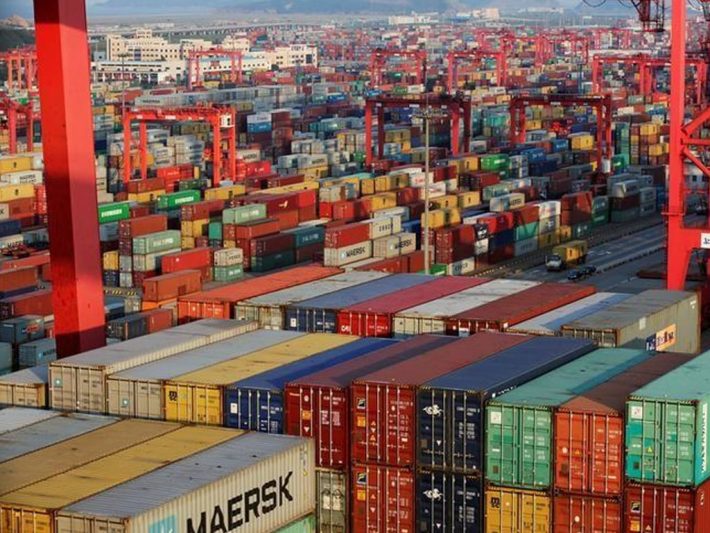
- Karachi: The country’s main seaport, home to Port Qasim and Karachi Port, handles the bulk of sea freight. Businesses exporting textiles, chemicals, or manufactured goods rely on forwarders to navigate port operations and customs clearance at Pakistan Customs.
- Lahore: As an industrial hub, freight here often moves by road transport or via air cargo through Allama Iqbal International Airport (LHE). Forwarders coordinate with carriers like PIA Cargo, Emirates SkyCargo, and DHL Express to ensure timely delivery.
- Islamabad/Rawalpindi: Air cargo is the primary mode of shipment via Islamabad International Airport (ISB). Smaller volumes are handled efficiently with digital tracking for compliance and delivery.
Key Steps in Freight Forwarding for Beginners
Here’s a step-by-step guide for businesses new to freight forwarding in Pakistan:
- Choose a Trusted Freight Forwarder
Select a forwarder experienced with your shipment type and route. Forwarders in Karachi typically handle sea freight at Karachi Port or Port Qasim, while Lahore and Islamabad rely more on air cargo services and road freight networks. - Prepare Required Documentation
Key documents include:- Commercial Invoice
- Packing List
- Bill of Lading (B/L) for sea shipments or Airway Bill (AWB) for air cargo
- Certificate of Origin (if required by importing country)
- Customs Declaration Forms for Pakistan Customs clearance
- Book Your Shipment
Decide your mode of transport:- Sea Freight: Carriers such as Maersk, MSC, CMA CGM, and Hapag-Lloyd operate out of Karachi Port and Port Qasim.
- Air Freight: Use services like PIA Cargo, Emirates SkyCargo, Turkish Cargo, or DHL Express.
- Road Freight: Common for Lahore and Islamabad shipments within Pakistan.
- Get Instant Rates and Confirm Booking
Traditionally, getting freight rates required phone calls and email negotiations. With platforms like Maalbardaar, businesses can get instant rates, compare options, and book shipments digitally, saving time and ensuring cost efficiency. - Track Your Shipment
Traditional tracking in Pakistan relies on repeated calls and emails. Digital forwarders provide real-time visibility from port or airport to warehouse, keeping you updated at every step. - Customs Clearance
Accurate documentation is key for smooth customs clearance. Maalbardaar offers digitized customs clearance, automatically handling forms and compliance, reducing errors and delays at Pakistan Customs. - Final Delivery
After clearance, shipments are transported to warehouses, factories, or clients. Digital freight tools reduce miscommunication and ensure timely delivery.
Challenges in Traditional Freight Forwarding in Pakistan
- Manual updates and follow-ups slow down operations.
- Scattered documents increase errors and risk lost shipments.
- Limited visibility makes it hard to track shipments from Karachi Port to Lahore industrial zones or Islamabad offices.
How Maalbardaar Transforms Freight Forwarding in Pakistan
Maalbardaar is a digital freight forwarding platform that simplifies logistics for businesses in Karachi, Lahore, Islamabad, and across Pakistan. Its services include:
- Centralized shipment management: Keep all updates, documents, and tracking in one dashboard.
- Instant rates and digital booking: Compare carriers like Maersk, MSC, PIA Cargo, and DHL instantly and book shipments online.
- Digitized customs clearance: Automatically handle Pakistan Customs documentation and regulatory compliance.
- Real-time visibility: Track shipments from Port Qasim, Karachi Port, Allama Iqbal International Airport, or Islamabad International Airport without repeated calls.
Whether you’re exporting textiles from Karachi, industrial goods from Lahore, or electronics from Islamabad, Maalbardaar reduces delays, errors, and unnecessary follow-ups, making logistics smoother and more predictable.
Ready to modernize your freight forwarding in Pakistan? Contact Maalbardaar today and experience hassle-free, digital logistics.