The Pak-Afghan Trade Standoff: How to Navigate the 2026 “Open War” and Protect Your Cargo
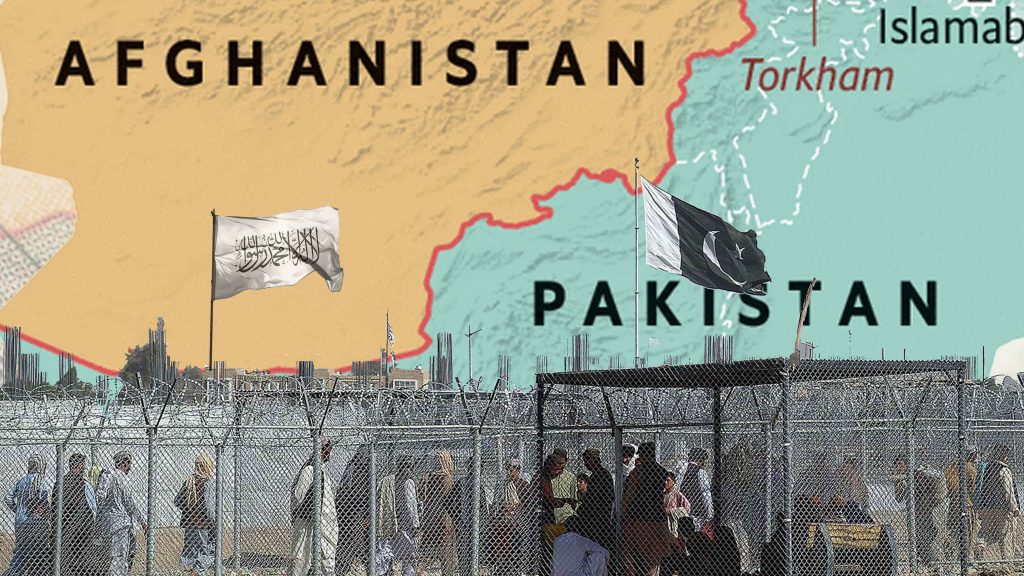
The trade relationship between Pakistan and Afghanistan reached a definitive breaking point in late February 2026. Specifically, following a series of retaliatory airstrikes, officials in Islamabad now describe the situation as an “open war.” Consequently, the primary commercial arteries at Torkham and Chaman remain shut indefinitely to all commercial movement.
For Supply Chain Directors and exporters, this is no longer a temporary border delay. Instead, it is a systemic shift in regional trade. Bilateral trade has plummeted by 40%, and Pakistani exporters currently lose an estimated $177 million (PKR 50 billion) every month. This guide outlines the current ground reality. Furthermore, it details the specific regulatory pathways available to rescue your stranded cargo.
The Current Crisis: A Gridlock on the Durand Line
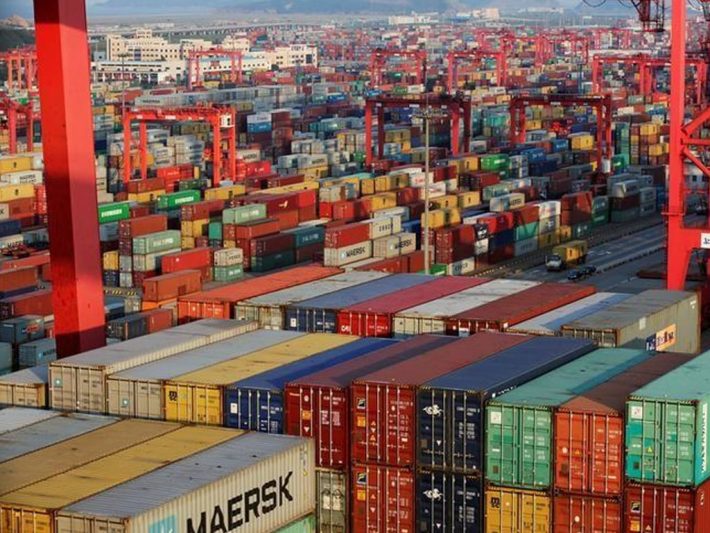
The recent military escalation triggered the immediate closure of all five active trade crossings. Currently, hundreds of trucks carrying perishable goods, cement, and medicine are stuck on both sides of the border.
The “Visibility Gap” for Transporters
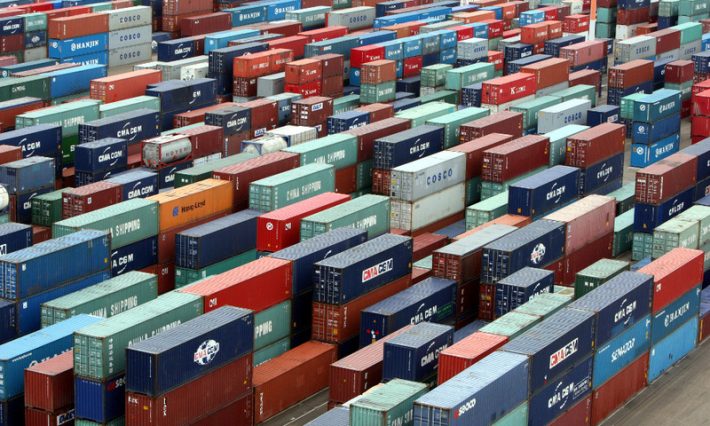
Security concerns now outweigh trade considerations at the federal level. Therefore, traditional logistics planning is effectively paralyzed. Many exporters face a “Logistics Risk Window” where containers sit stationary for so long that equipment, such as tires and seals, is beginning to wear out. Consequently, the risk of international order cancellations is rising rapidly for those using Pakistan as a transit hub for Central Asia.
Strategic Relief: FBR’s New Re-Export Mandate
The most critical update for high-intent traders involves the Afghan Transit Trade (ATT). Specifically, the Ministry of Commerce and the FBR have issued a major one-time waiver to prevent rising demurrage charges.
Rescue Your Stranded Containers
If your cargo is currently stuck at Border Crossing Points (BCPs) or Karachi ports, you now have the option to re-export to any seaport.
Action: Bonded carriers must submit a formal application to the FBR to shift cargo from border points like Chaman and Quetta back to Karachi or Gwadar.
Monitoring Requirement: Every convoy of 15 vehicles must be accompanied by customs personnel. Furthermore, tracking companies must certify that GPS monitoring devices are fully functional throughout the reverse transit.
Demurrage Avoidance: This move allows you to bypass the border closure. You can reroute your goods to alternative markets or ports, such as Jebel Ali or Colombo, to save your margins.
The Global Pivot: Afghanistan’s Alternative Routes
While the border remains closed, the trade landscape is permanently evolving. Specifically, the Taliban administration is aggressively seeking to end its economic dependence on Pakistan.
The Rise of the “Northern Route”
Afghanistan is shifting its commercial strategy toward Central Asia.
Uzbekistan & Kazakhstan: Trade between Kabul and Central Asian states has surged to nearly $1.7 billion. Specifically, Afghanistan is now exporting coal to Uzbekistan in exchange for cement and pharmaceuticals.
The Iran Corridor: Rail freight between Iran and Afghanistan has increased 17-fold this year.
Chabahar Port: The Taliban are requesting India to facilitate more transit through the Iranian port of Chabahar to bypass Karachi entirely.
3 Ways Maalbardaar Helps You Survive This Volatility
In a week defined by “open hostilities,” you cannot rely on manual updates. Maalbardaar provides the Logistics Command Center necessary to manage this crisis.
1. Milestone-Based Exception Alerts
Don’t wonder if your truck is still at the Torkham queue. Receive instant WhatsApp alerts when your GD status changes or if your vehicle moves into a restricted security zone.
2. Re-Export Documentation Management
Moving cargo back to Karachi for re-export requires a complex digital audit trail. Use our Digital Document Vault to store your FBR authorizations and tracking certificates for the mandatory 6-year period.
3. Predictive Route Analytics
Compare the cost of the northern route via Kashgar versus re-exporting through Karachi. Our Instant Quoting tool helps you calculate the new Total Landed Cost (TLC) for alternative markets in the GCC or Europe.
Conclusion: Redesigning Your Regional Strategy
The 2026 Pak-Afghan trade crisis represents more than a temporary closure. It is a fundamental shift in how cargo moves in South Asia. As Afghanistan pivots toward Central Asia and Iran, Pakistani exporters must leverage technology to maintain their competitive edge.
Ultimately, businesses that move from “managing decline” to “designing progress” will survive this volatility. By utilizing re-export options and digital visibility, you can protect your capital even when the borders are closed.
Don’t let your cargo become a casualty of the trade war. Join Maalbardaar today to take command of your regional supply chain.
Frequently Asked Questions (FAQs)
Q: Is the Torkham border open for trade today?
A: No. As of late February 2026, Torkham and Chaman are closed indefinitely to all commercial and pedestrian traffic due to military hostilities.
Q: Can I bring my stuck Afghan Transit cargo back to Karachi?
A: Yes. The FBR now allows the re-export of stranded ATT cargo from border points to Karachi or Gwadar. This requires strict customs supervision and functional GPS tracking.
Q: What are the losses for Pakistani exporters in this crisis?
A: Industry leaders estimate that Pakistani exporters are losing approximately $177 million (Rs 50 billion) every month the borders remain shut.
Q: How can I avoid demurrage on stuck cargo?
A: You should immediately apply for the re-export waiver through your clearing agent. Shifting your cargo back to a seaport allows you to reroute it to other international buyers.
Stay informed on regional transit shifts and port status with Maalbardaar!