Pakistan Freight & Logistics Weekly Update: 19th January, 2026
Key Policy, Infrastructure, and Cargo Movement Developments (Week 3)
This week brings significant developments across freight policy, infrastructure investment, and cargo movement that will influence logistics and trade costs in Pakistan. Staying updated with these trends now will help you plan better, avoid surprises, and gain an edge in a rapidly shifting supply chain environment.
1. Customs Mandates Official Bank Exchange Rates for Shipping Charges
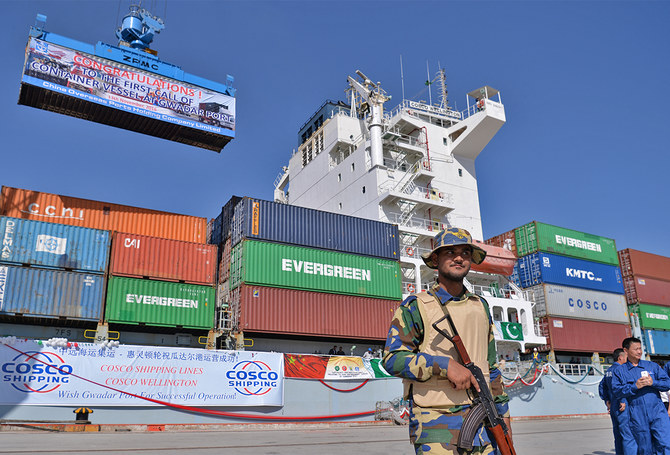
In a major regulatory step, Pakistan Customs has enforced the use of official bank exchange rates for all shipping charges, putting an end to arbitrary and inflated freight billing by international carriers. This applies to all major lines operating in Pakistan, including Maersk, Hapag-Lloyd, COSCO, CMA CGM, MSC, and OOCL.
This expansion could reduce freight costs over time and improve shipping availability for Pakistani exporters and importers.
What this means for businesses:
-
Freight charges will now be calculated using State Bank-approved exchange rates
-
This reduces hidden cost volatility previously caused by unofficial dollar billing
-
Importers and exporters should see clearer and more predictable freight pricing
This change is expected to reduce logistics cost pressures and improve pricing transparency for traders and forwarders alike.
2. Pipri Dedicated Freight Corridor Construction Accelerates
The Pipri Dedicated Freight Corridor and Multimodal Logistics Park has officially moved from planning into construction, backed by USD 400 million in foreign direct investment.
Key details:
-
A 52-kilometre rail freight link from Karachi ports to Pipri is being rehabilitated
-
Phase 1 is targeted for completion in ~4 months
-
The corridor will integrate rail, road, and port operations into a single freight hub
-
Expected to cut logistics costs by up to Rs100 billion annually and ease port congestion by shifting traffic from road to rail
This is one of the most significant infrastructure developments for Pakistan’s freight movement in years and will gradually transform how cargo moves inland after landing at the country’s major seaports.
3. Afghan Transit Trade Cargo Given Re-Export Options
The Ministry of Commerce and FBR are now considering allowing stranded Afghan Transit Trade (ATT) containers from ports, including cargo from Malaysia and Vietnam, to be re-exported from any seaport on request from exporters or their clearing and forwarding agents.
This has two major implications:
-
ATT container holders can proactively avoid rising demurrage charges
-
Clearing agents have flexibility to request re-export from the port of choice
This adjustment reduces some of the pressure caused by prolonged Pakistan-Afghanistan border closures and gives relief to traders with stuck transit cargo.
4. Daily Vessel Movements Continue at Port Qasim
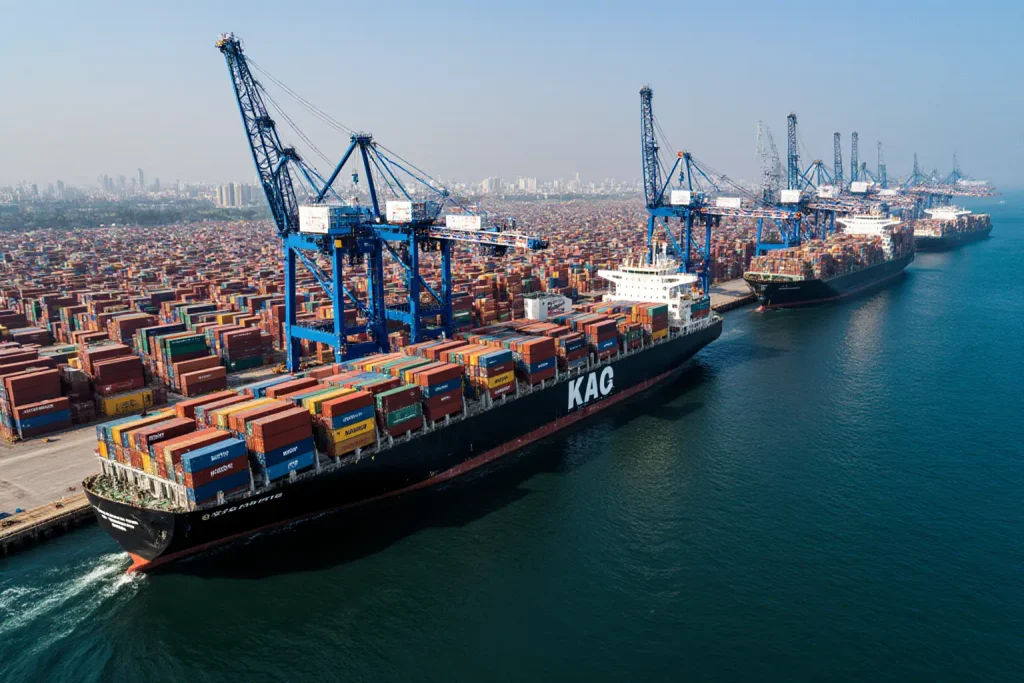
Recent shipping reports from Port Qasim show active vessel arrivals and departures, with shipments including LNG (140,400 tonnes), palm oil, LPG, and containerized cargo moving through the port.
This is a strong signal for long-term export growth and supply chain modernization.
Active cargo movement indicates:
-
Port operations remain dynamic even as congestion challenges persist
-
Importers and exporters can anticipate regular vessel rotations
-
Monitoring these movements weekly helps plan pickup and delivery windows more accurately
How Maalbardaar Helps You Stay Prepared
Maalbardaar provides businesses with the visibility and tools needed to confidently navigate these market changes:
 Real-time shipment tracking across ports and routes Instant alerts for clearance, delays, and movement updates Digital document management to comply with customs mandates Comparative insights on route and port options
When regulations shift and infrastructure evolves, clear information and visibility give you the upper hand.
Take Control of Your 2026 Supply Chain
Log in today and take charge of your 2026 supply chain.
Don’t let delays or rising costs define your year. Stay informed, stay proactive, and stay ahead with Maalbardaar.