Pakistan Freight & Logistics Weekly Update: 26th January, 2026
Hi, it’s Faiz from Maalbardaar.
This week’s developments highlight important shifts in currency competitiveness, export demand, and import volumes that will directly impact logistics planning, freight costs, and trade flows in Pakistan. Staying ahead of these changes is critical for importers and exporters planning Q1 and Q2 shipments.
Key Updates for Week 4
Here’s what’s new this week:
1. Pakistan’s REER Index Declines to 103.73
Pakistan’s Real Effective Exchange Rate (REER) declined to 103.73 in December 2025, down from 104.88 in November, according to SBP-linked data. A falling REER indicates that the Pakistani rupee has become more competitive against trading partners after inflation adjustments.
What this means for businesses:
Pakistani exports become more attractive in international markets
Export-oriented industries may see higher order volumes
Importers should prepare for slightly higher landed costs if the trend continues
Freight volumes for export cargo may rise in coming months
Why this matters for logistics:
Currency competitiveness often leads to increased export bookings, higher container demand, and tighter shipping schedules.
2. Pakistan Engages the Philippines to Increase Rice Exports
Pakistan has formally approached the Philippine government to increase rice procurement from Pakistan. This comes amid surplus domestic stocks and efforts to expand export markets. Discussions are expected to progress during the upcoming Pakistan–Philippines Joint Economic Commission (JEC) session.
Key implications:
Rice export volumes could increase in Q1–Q2 2026
Higher demand for 20ft containers and bulk movement
Opportunity for exporters to lock in longer-term supply contracts
Increased pressure on port handling and inland transport during peak season
Why this matters for supply chains:
Agricultural exports rely heavily on timely container availability, port efficiency, and route planning. Early visibility will be critical.
3. ADB Reaffirms Priority of Karachi–Rohri Rail Corridor Under ML-1
The Asian Development Bank (ADB) has reaffirmed its commitment to prioritizing the Karachi–Rohri rail corridor as part of Pakistan’s ML-1 railway upgrade project:
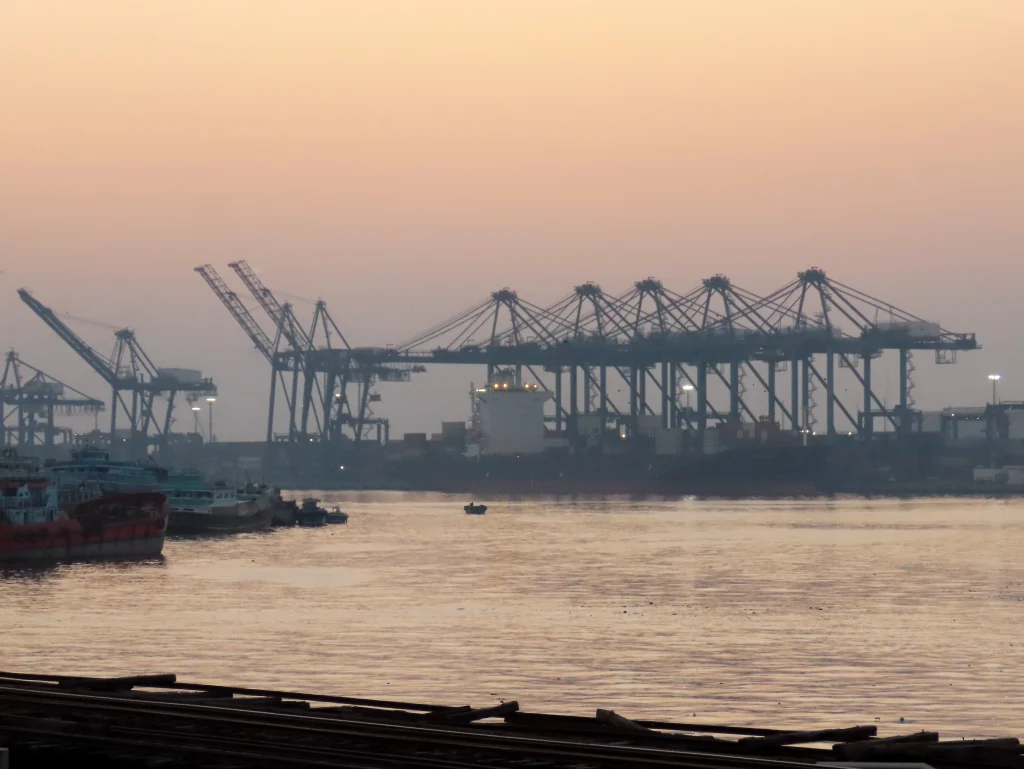
A 10-member ADB delegation visited Karachi Port Trust (KPT) to review port–rail connectivity and logistics infrastructure
Pakistan has secured USD 2 billion in ADB financing, with project completion targeted before December 2028
KPT highlighted congestion and safety challenges due to heavy reliance on road trailers, especially with nighttime movement restrictions
Upgraded rail links are expected to enable 24/7 cargo dispatch, improving efficiency for terminal operators
The delegation also reviewed ongoing KPT developments, including dredging and multimodal connectivity improvements.
ADB concluded that strengthening the rail corridor will significantly boost logistics efficiency and support Pakistan’s trade growth.
How Maalbardaar Helps You Stay Prepared
Maalbardaar gives businesses the visibility and tools needed to navigate these market changes with confidence:
Real-time shipment tracking across ports and routes
Spot rates to book shipments directly from the app
Instant alerts for customs clearance, delays, and cargo movement
Digital document management to meet customs requirements
Comparative insights on routes and port options
When regulations shift and infrastructure evolves, clear information and visibility give you the upper hand.
Log in today and take charge of your 2026 supply chain.
Don’t let delays or rising costs define your year. Stay informed, stay proactive, and stay ahead with Maalbardaar.