Pakistan Freight & Logistics Weekly Update: 2nd March, 2026
This week’s supply chain brief brings you verified developments that matter most to importers, exporters, freight planners, and logistics operators, including oil market developments, macroeconomic signals, regulatory shifts, and regional trade dynamics.
The Current Situation in Iran
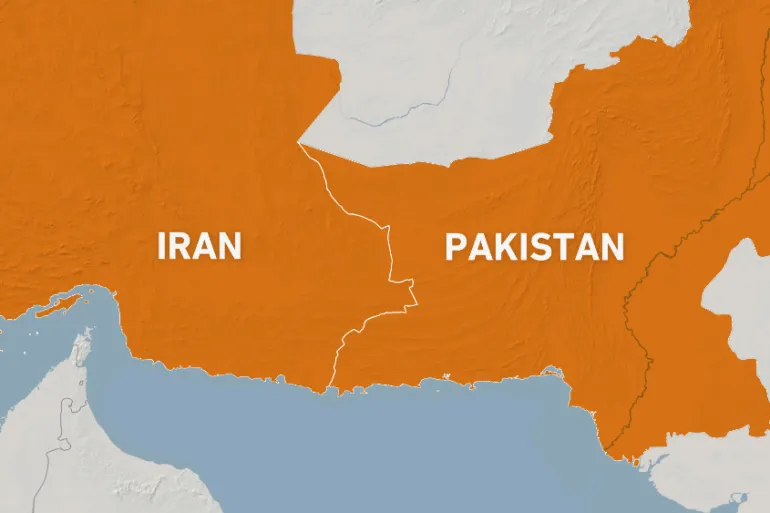
Recent geopolitical instability surrounding Iran, including military strikes near the Strait of Hormuz, has raised concerns about oil transport and regional security. These tensions have disrupted global shipping expectations and could influence freight costs for energy-linked cargo.
Why this matters for logistics:
• Oil supply sensitivity: Potential disruptions around Hormuz could raise crude and fuel freight costs, affecting inland trucking and bulk movements.
• Energy price volatility: Higher freight rates and bunker costs may filter into logistics pricing models.
• Security risk premiums: Regional tensions can prompt insurers to increase premiums on routes transiting the Persian Gulf and adjacent maritime zones.
• Forward planning urgency: Freight planners should monitor energy shipping lanes and build fuel cost buffers into schedules.
Context on Trade Cooperation
Despite geopolitical risk, Pakistan and Iran have long-standing initiatives to grow trade, historically aiming for a $10 billion bilateral trade target and more robust transport linkages through infrastructure and cooperation agreements.
Key Updates for Week 9
Key new developments in trade policy and macroeconomic movements including recent regional political developments.
1. Global Oil Market Volatility Affects Cargo Allocations
Pakistan faced a crude supply hiccup for March 2026, as Saudi Aramco did not allocate a March crude shipment to one local refinery due to tighter global oil supplies and market volatility. This reflects ongoing supply chain pressures in energy imports, which are a major freight category for Pakistan’s inbound trade.
Why this matters:
• Crude import disruptions can delay feedstock shipments and marine cargo scheduling
• Fuel cost volatility impacts inland logistics and transport costs
• Freight planners should monitor energy cargo bookings and alternative sourcing options
2. Pakistan Strengthens Oil Stocks Amid Middle East Tensions
In response to global volatility around strategic shipping lanes like the Strait of Hormuz, Pakistan’s government directed regulators to build and secure oil and petroleum product stocks. The Oil & Gas Regulatory Authority (OGRA) was instructed to ensure sufficient inventories of MS, HSD, and LPG, while authorities assured uninterrupted import payments for refineries and OMCs.
Implications for logistics:
• Strategic stockpiling reduces risk of supply chain disruptions
• Stronger coordination between government, refineries, and logistics providers
• A positive signal for freight continuity planning
3. Pakistan & UAE CEPA Nearing Finalisation
Pakistan and the United Arab Emirates are in advanced rounds of talks to finalise a Comprehensive Economic Partnership Agreement (CEPA), which could significantly ease bilateral trade and logistics operations.
Implications for logistics:
• Potential tariff reductions and smoother customs processes
• Increased freight volumes between Pakistan and Gulf markets
• Forwarders should explore Gulf corridor growth opportunities
4. Afghanistan Transit Trade: Border Disruptions Continue
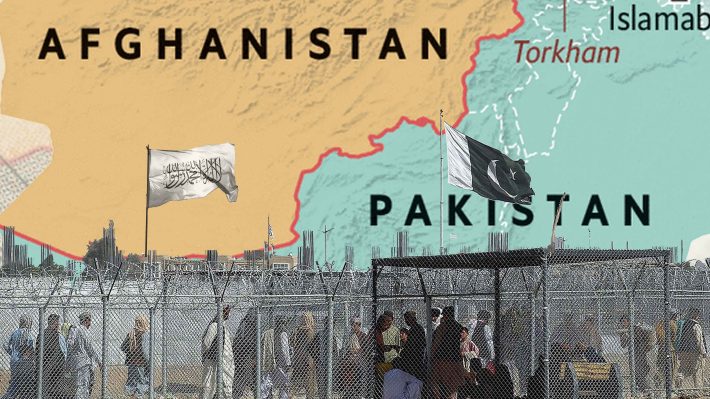
Cargo movement at the Torkham crossing has recently halted following renewed clashes along the Pakistan-Afghanistan border. With tensions still elevated, transit trade flows remain unpredictable and reopening timelines unclear.
Why this matters for logistics:
• Transit delays: Suspension at Torkham disrupts cargo headed to Afghanistan and Central Asia
• Higher costs: Containers held near border zones increase detention and storage exposure
• Route uncertainty: Forwarders may need to evaluate alternative corridors, adding time and cost
• Planning risk: ETA commitments require stronger buffer management and proactive client communication
The Afghanistan corridor remains strategically important but currently demands risk-adjusted routing and tighter shipment visibility.
What This Means For Importers And Exporters
• Freight rates are under upward pressure due to regional tensions, fuel volatility, and route disruptions
• Fuel surcharges may rise due to instability around key oil transit routes
• Shorter rate validity windows may become common due to market unpredictability
• Higher risk premiums may apply to cargo moving through sensitive corridors
• Capacity reallocation may tighten available space and push spot rates upward
• Budget forecasting becomes harder due to increased landed cost volatility
In this environment, uncertainty is rising, and freight pricing is becoming more reactive. Importers and exporters should plan for cost fluctuations rather than fixed-rate expectations.
How Maalbardaar Helps You Stay Prepared
In a market where policy, reserves, and regional trade ties are shifting weekly, visibility becomes critical.
Maalbardaar provides:
✔ Real-time shipment tracking
✔ Instant freight rate visibility
✔ Delay and customs alerts
✔ Digital document management
✔ Route and port comparison tools
When the macro environment shifts, control and information protect margins.
Take Charge of Your 2026 Supply Chain
Log in and manage your 2026 supply chain with clarity.
Do not let delays or rising costs define your year. Stay informed, stay proactive, and stay ahead with Maalbardaar.