Pakistan Freight & Logistics Weekly Update: 9th February, 2026
Hi, it’s Faiz from Maalbardaar.
In this week’s supply chain brief, we cover fresh, verified developments that matter for freight planners, importers, exporters, and logistics operators. From regional trade agreements and transit infrastructure to port operations and export performance, these updates can directly impact costs, routing, and planning decisions.
India’s New Trade Deals & Pakistan’s Export Pressure
India’s recent trade agreements with the European Union (EU) and the United States (US) reduce tariffs on Indian exports, particularly in textiles, apparel, and leather. These are sectors where Pakistan also competes heavily.
As a result, Pakistani exporters may face increased price competition in key markets and a gradual erosion of tariff advantages that previously supported export growth.
For detailed analysis, read:
👉 https://maalbardaar.com/indias-new-trade-deals-raise-competitive-pressure-on-pakistans-key-export-industries/
Key Updates for Week 6
New Developments in Ports, Trade Policy & Industry Movements
1. Pakistan & Uzbekistan Agree on Logistics Hub at Karachi Port
Pakistan and Uzbekistan have agreed to establish Uzbek logistics warehouses at the Port of Karachi. The discussions focused on improving cargo transit efficiency, facilitating Uzbek trade through Pakistani ports, and offering preferential terms for logistics infrastructure investment.
Why this matters:
Reduces transit times and logistics costs for Uzbekistan–Pakistan trade
Supports cargo consolidation and export distribution
Strengthens Pakistan’s position as a regional logistics gateway
2. Historic $2 Billion Trade Framework Between Pakistan & Uzbekistan
During the Uzbek President’s visit to Islamabad, Pakistan and Uzbekistan signed a protocol and 29 Memorandums of Understanding (MoUs), setting a $2 billion bilateral trade target over the next five years.
Trade & logistics implications:
Creation of a joint working group for long-term trade and transport planning
New opportunities for rail, road, and multimodal freight corridors
Stronger logistics alignment across agriculture, industry, and transit access
3. Pakistan & Kazakhstan Agree to Strategic Partnership, $1 Billion Trade Goal
Pakistan and Kazakhstan elevated their relationship to a strategic partnership, with both sides committing to a $1 billion trade target and deeper logistics cooperation.
Prime Minister Shehbaz Sharif confirmed that Pakistan can offer Central Asian states access to Gwadar and Karachi ports, while emphasizing the importance of transport and logistics connectivity.
What this means for supply chains:
Greater priority on rail, road, and transit projects
Potential growth in cargo volumes across Central Asian corridors
Increased focus on port capacity and inland logistics coordination
4. Policy & Market Signals This Week
A. Agriculture Export Potential: Potatoes
Punjab has reported a 25% increase in potato production and has requested federal approval to export to new markets including Kazakhstan. This signals expanding outbound agricultural trade.
Implication:
Exporters and cold-chain logistics providers should plan for seasonal volume spikes and cross-border forwarding capacity.
B. Pakistan’s Exports Cross $3 Billion, Trade Deficit Narrows
Pakistan’s exports surpassed $3.06 billion in January 2026, marking a historic monthly high. At the same time, the trade deficit narrowed significantly as imports declined.
Implications:
Increased pressure on container availability and vessel space
Greater need for early freight booking and planning
Export momentum supports stronger outbound trade confidence
5. Pakistan–Saudi Arabia Economic & B2B Cooperation Framework
An MoU was signed to launch the Saudi-Pakistan Bridge Initiative, a structured B2B platform aimed at accelerating private investment, market entry, and cross-border partnerships, supported by Chinese technologies.
Why this matters:
Enables private-sector-led trade and logistics cooperation
Strengthens investment and commercial linkages with Saudi Arabia
Signals deeper economic integration beyond traditional trade channels
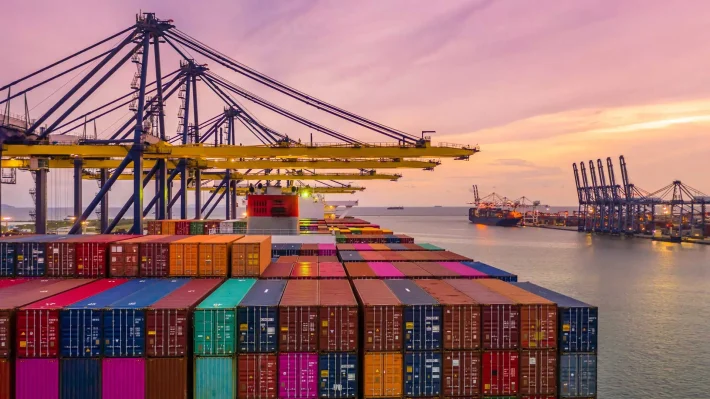
6. Industry Voices Raise Port Congestion Concerns
The logistics industry continues to warn about persistent port congestion, highlighting delays in vessel handling, cargo movement, and inter-agency coordination.
Key challenges:
Prolonged vessel waiting times
Slow cargo clearance processes
Limited coordination between ports, carriers, and customs
Cargo volumes growing faster than existing infrastructure
Importers and exporters are advised to build buffer time into schedules and plan contingency strategies.
What This Means for Importers & Exporters
Potential Handling Charge Reductions
Ongoing discussions around rationalising port fees could reduce logistics costs if implemented quickly.
Rail Freight Modernisation
Focus on integrated rail corridors may improve inland freight reliability and reduce pressure on road transport.
Export Growth Trends
Rising exports, including rice and minerals, point to higher demand for containerised and bulk freight services.
Persistent Congestion Risks
Port congestion remains a planning risk. Visibility and lead-time buffers are critical.
How Maalbardaar Helps You Stay Prepared
Maalbardaar gives importers and exporters the visibility and control needed to respond to changing trade and logistics conditions:
✔ Instant spot rates for freight pricing
✔ Real-time shipment tracking across ports and routes
✔ Alerts for delays, customs clearance, and movement changes
✔ Digital documentation for faster compliance
✔ Route and port insights to plan shipments efficiently
When rules shift and markets evolve, visibility becomes a competitive advantage.
Take control of your 2026 supply chain
Stay informed. Stay proactive. Stay ahead with Maalbardaar.
👉 Join Maalbardaar today