The Pak-Iran Supply Chain Crisis: How to Protect Your Margins Amid Regional Volatility
The regional trade landscape shifted violently in early March 2026. Specifically, following US-Israeli strikes on Iranian cities and the assassination of the Supreme Leader, the Persian Gulf has entered a state of high alert. Consequently, the commercial arteries between Pakistan and Iran now face unprecedented security and economic pressure.
For Supply Chain Directors and FMCG manufacturers, this is a critical “Logistics Risk Window.” Global energy markets are extremely erratic. Furthermore, regional stock exchanges in Dubai and Abu Dhabi have already suspended trading to assess the fallout. This guide outlines the current ground reality at the border. It also details strategic moves to protect your organization from a massive “Landed Cost” shock.
The Energy Crisis: The $100 Oil Threat
The single biggest economic threat to Pakistan currently comes from oil. Specifically, Brent crude settled around $72.5 a barrel on Friday and is now trending toward $100.
The Current Account Impact
Energy analysts warn that for every $10 rise in oil prices, Pakistan’s current account deficit increases by $1.5 billion to $2 billion. Therefore, if prices touch $100, the deficit could expand by $7 billion annually. This shift would undo the fiscal gains made in 2025.
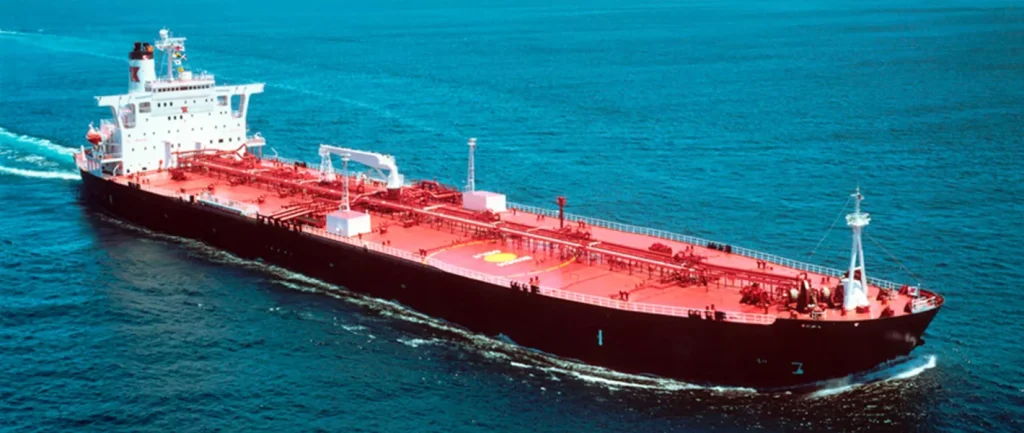
Furthermore, the Strait of Hormuz remains a primary concern. Roughly 20% of global oil consumption passes through this narrow waterway. Reports indicate that Iran’s Revolutionary Guards have already warned ships that passage may be restricted. Consequently, shippers must prepare for a total blockade or significant transshipment surcharges.
Ground Reality: Taftan and Gabd-Rimdan Border Status
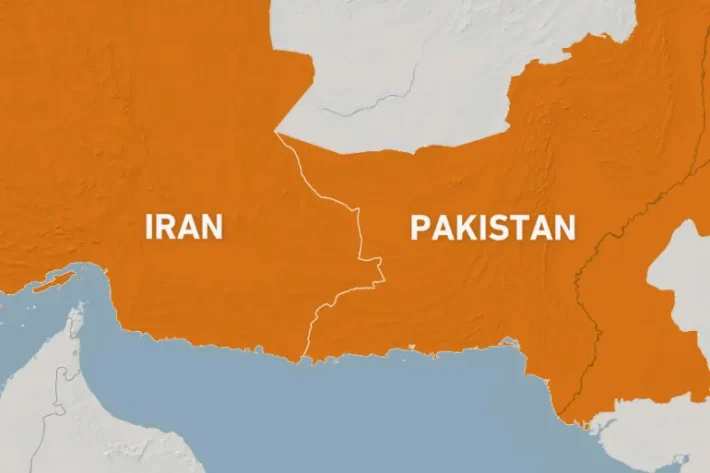
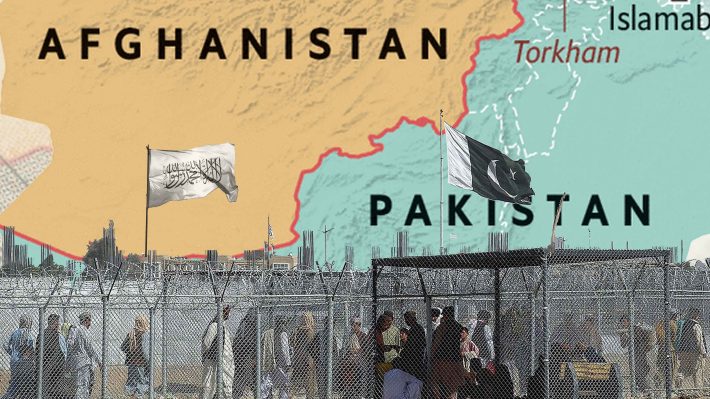
As of March 1, 2026, the authorities have closed major pedestrian crossings at Taftan and Gabd-Rimdan. This measure responds to the escalating military confrontation between Iran and Israel.
Trade vs. Pedestrian Movement
Pedestrian Traffic: Closed indefinitely for entry. However, Pakistani citizens returning from Iran, including students and traders, are allowed to cross back into Balochistan.
Commercial Operations: Trade and customs operations at Taftan currently continue as usual. However, local traders report a severe “trust deficit” and one-sided trade patterns.
Operational Risk: Logistics managers should expect sudden “gate closures” and increased security screenings at border terminals. Therefore, you must add a 7-to-10-day buffer to all cross-border lead times.
The Strategic Pivot: Barter Trade and Financial Safeguards
Since traditional banking channels remain limited by sanctions, the revised barter trade framework has become essential.
Leveraging the B2B Barter Mechanism
The government recently extended the duration for barter transactions from 90 to 120 days.
Simultaneous Transactions: You no longer need to export goods before initiating imports. Both transactions can now occur simultaneously.
Consortiums: Private entities can now form consortiums to participate in barter trade, spreading the risk of regional volatility.
Compliance: Failure to balance the value of imports and exports every three months will lead to the immediate cancellation of your trade authorization.
3 Ways Maalbardaar Helps You Survive This Volatility
In a week defined by military strikes and energy shocks, manual coordination is a liability. Maalbardaar provides the Logistics Command Center needed to navigate this crisis.
1. Real-Time Exception Management
Receive instant WhatsApp alerts the moment shipping lines implement “Emergency Operational Surcharges” (EOS). Do not wait for a month-end invoice to discover your costs have doubled.
2. Total Landed Cost (TLC) Recalculation
Use our Instant Quoting tool to factor in new oil price surcharges and currency fluctuations. Specifically, calculate how a $100 barrel will impact your factory floor margins before you sign new contracts.
3. Barter Documentation Vault
Maintain an audit-ready digital trail of your barter trade values. Our Digital Document Vault stores your quarterly FBR balance reports and customs filings for the mandatory 6-year period.
Conclusion: Resilience Through Intelligence
The 2026 Pak-Iran trade crisis represents a fundamental challenge to regional stability. As the Gulf “lights up,” traditional supply chain models are failing. Exporters and importers must move beyond reactive firefighting.
Ultimately, success in this environment belongs to data-driven firms. By utilizing barter trade mechanisms and real-time visibility, you can protect your capital despite the regional turmoil.
Don’t let regional conflict paralyze your business. Join Maalbardaar today to take command of your supply chain.
Frequently Asked Questions (FAQs)
Q: Is the Taftan border open for trade right now?
A: Yes. While pedestrian movement is suspended due to security concerns, pedestrian-crossings are currently functioning.
Q: How will the US-Iran conflict affect my petrol costs?
A: Single biggest threat. Brent crude is heading toward $100. Analysts expect petrol prices to rise by 10-15 cents per litre almost immediately if hostilities escalate.
Q: Is the IP Gas Pipeline still being built?
A: Pakistan has requested a 10-year extension until 2035 to complete the project due to the threat of US sanctions.
Stay ahead of regional shocks and energy price spikes with Maalbardaar!