
Pakistan Freight & Logistics Weekly Update: 6th April, 2026
Hi, it’s Faiz from Maalbardaar.
Just when the supply chain began to digest the transshipment backlog at our ports, the crisis has officially moved to the highways.
Recently, the ongoing maritime conflict in the Middle East has triggered a massive global oil shock, resulting in the largest overnight fuel price hike in Pakistan’s history. If you thought the post-Eid transport shortage was difficult, the new reality of inland freight pricing is going to fundamentally change your landed costs for the rest of the year.
As we enter Week 14, supply chain managers are fighting a two-front war: severe physical congestion at the ports and a sudden, historic explosion in inland transportation costs. However, despite these logistical nightmares, the broader economy is surprisingly resilient.
Here is exactly what happened this week and how you need to adjust your logistics strategy immediately.
The Current Situation: The Historic Fuel Shock
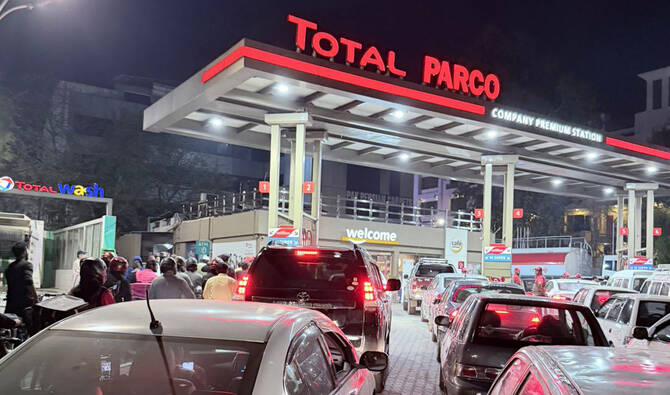
Over the past few days, the government has made back-to-back, unprecedented changes to local fuel prices. Driven by the Middle East conflict, global oil prices have skyrocketed, forcing the government to pass the burden down to the local market.
According to a breaking televised address by PM Shehbaz Sharif, here is where the fuel market stands as of April 4, 2026:
High-Speed Diesel (HSD) – The Freight Fuel: The price of diesel remains at a record-shattering Rs 520.35 per litre. The government has reduced the petroleum levy on diesel to zero to prevent further hikes, but this 55% surge is permanent for the foreseeable future.
Petrol – Consumer Relief: After an initial spike to Rs 458/litre, the PM intervened to cut the petrol levy by Rs 80. Petrol is now priced at Rs 378 per litre and will remain unchanged for at least one month.
The Reality for Supply Chains: While consumers received slight relief on petrol, heavy commercial vehicles (HCVs) run entirely on diesel. For the logistics sector, the jump to Rs 520.35 shatters all existing 30-day fixed transport contracts. Fleet operators are recalculating their baseline costs, meaning severe rate volatility and a massive spike in spot-market pricing.
Key Updates: Macroeconomic Resilience & Port Overflows
While transport costs are surging, the broader macroeconomic and industrial indicators paint a picture of a rebounding economy that is desperate to keep moving.
1. Industrial Sector Surges 7.4% as Economy Grows
The Pakistan Bureau of Statistics (PBS) just released Q2 FY26 data, showing the economy grew by an impressive 3.89%. This was driven heavily by the industrial sector, which surged by 7.4%, and Large-Scale Manufacturing (LSM), which expanded by 5.71%.
Implication: The factories are running, and raw material demand is high. Industrial importers cannot afford to halt supply chains due to freight costs, meaning competition for the limited available transport out of Karachi will be fierce this week.
2. Trade Deficit Shrinks 18.5% (A Double-Edged Sword)
According to the latest PBS data for July–March FY26, Pakistan’s trade deficit narrowed by 18.5% to $22.6 billion. However, March 2026 alone saw exports decline by 14.4% year-on-year.
Implication: The shrinking deficit means less pressure on the Rupee and stable forex reserves (currently at $21.79 billion, with the SBP holding $16.38 billion). However, the drop in March exports indicates that the global maritime crisis and local supply chain bottlenecks are starting to choke outbound shipments. Exporters must fight harder to get their goods to the port.
3. Transshipment Cargo Spills Over to Gwadar
Karachi’s infrastructure is officially maxed out. In March alone, Karachi Port handled a staggering 11,000 TEUs of transshipment containers diverted from the Gulf. The 1,400% surge in diverted Middle East cargo we reported last week has officially maxed out Karachi’s infrastructure. In the last month, Karachi Port was taking on cargo from global operators like TS Line and Heung-A that was originally destined for Jebel Ali.
Implication: Because KPT and Port Qasim are physically choking, major shipping lines are now actively diverting transshipment cargo to Gwadar Port just to find yard space. Domestic importers in Karachi must secure their gate passes immediately, as terminal operators are struggling to manage the sheer volume of grounded boxes.
What This Means For Importers & Exporters: The Strategic Pivot
The macroeconomic relief from the recent IMF agreement and strong industrial growth is now clashing with brutal ground-level inflation.
Here is how you must pivot this week to protect your margins:
1. Tear Up Your Transport Budgets (And Renegotiate)
If you have containers clearing this week, your previous freight estimates are obsolete. Do not wait for your clearing agent to find a truck at the last minute. Engage with verified transport providers immediately to lock in new baseline rates before the spot market peaks in a panic. Expect heavy, dynamic fuel surcharges (FSC) to become standard on all inland lanes.
2. Hyper-Accelerate Customs Clearance
Demurrage at the port combined with Rs 520/litre diesel on the road will wipe out your profit margins. You must leverage the Pakistan Single Window (PSW) to file your Goods Declaration (GD) electronically before your vessel even berths. The faster you clear the FBR’s emergency 100% scanning protocols at Port Qasim, the faster you can evacuate your cargo.
3. Maximize Your Payload
With inland transport costs at an all-time high, exporters and importers must strictly optimize their container loading. Maximize the payload of every single TEU and FEU. Shipping “dead air” upcountry or back to the port has never been more expensive.
Secure Your Logistics in a Volatile Market
In a week where transport costs have shattered historic records and port yards are overflowing, you cannot afford blind spots or reactive logistics.
Maalbardaar provides the visibility and speed to navigate this crisis. We combine pre-arrival digital customs clearance with instant access to a verified heavy transport fleet. Because our transport network is integrated, we provide transparent, algorithm-backed freight rates that protect you from wild spot-market price gouging, even during a historic fuel shock.
Do not let the fuel crisis trap your cargo at the port. Log in today to secure your transport capacity for the week ahead.
Register on Maalbardaar!
Take full control of your supply chain from freight, customs clearance, transportation, and more with Maalbardaar.
